
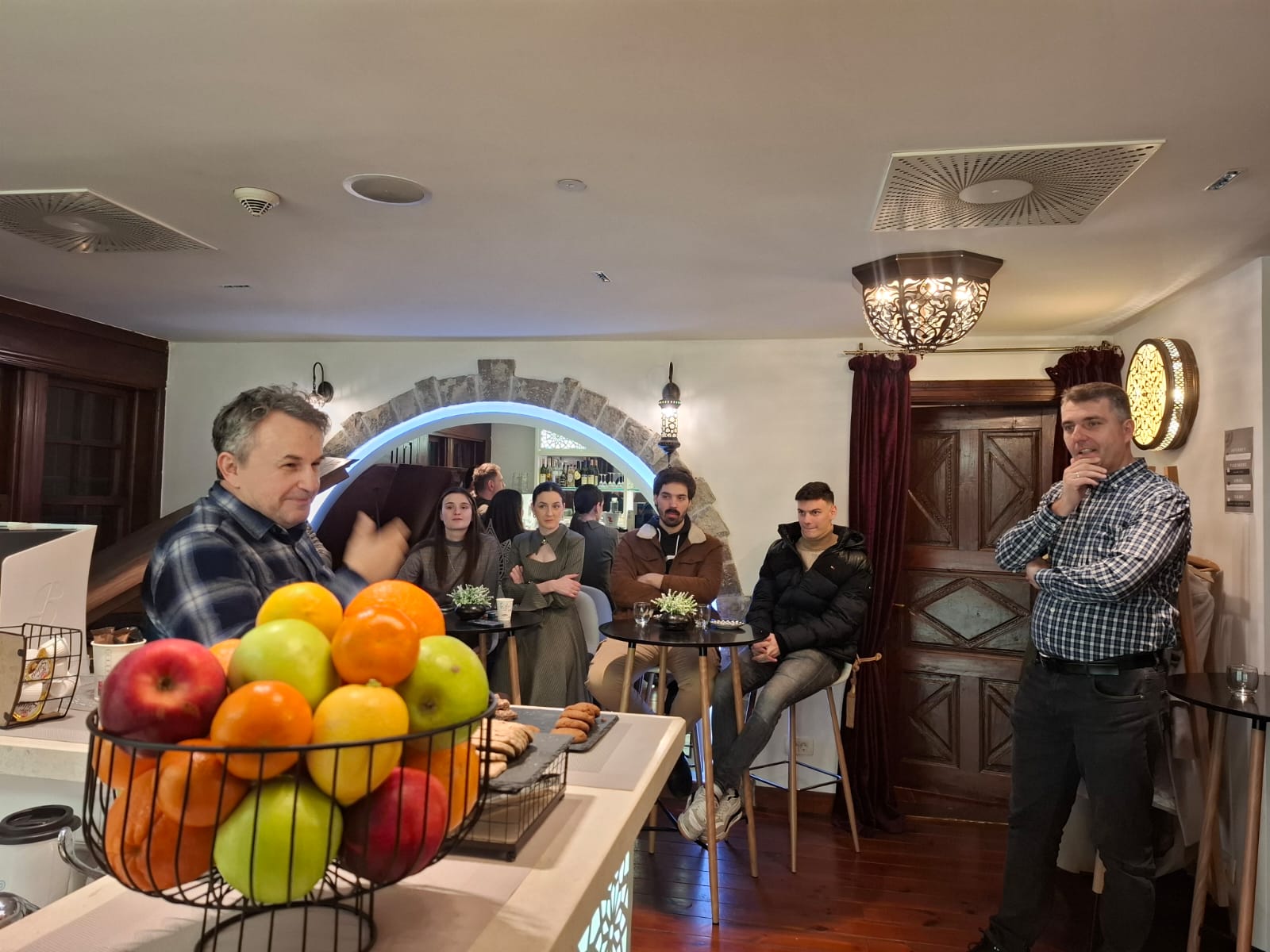
After a strong first week of theoretical foundations, the second week introduced participants to live demonstrations and real AIoT systems that showcased how artificial intelligence and the Internet of Things are already changing healthcare, agriculture, environmental monitoring and smart mobility.
This week brought technology to life — through data, devices and intelligent systems.
AIoT systems in medicine
A practical session focused on real-world AIoT pipelines and microcontroller-based applications, with hands-on examples in medical systems and edge computing.
AIoT-based drone systems
A hands-on session exploring how AIoT technologies are applied in drone systems for real-time data processing, monitoring and intelligent decision-making.
Application of IoT Application of AIoT systems in predicting natural and
man-made disasters and smart city
A hands-on session demonstrating how AIoT systems are applied in disaster prediction and smart city scenarios using real data and practical examples.
KiCad Workshop
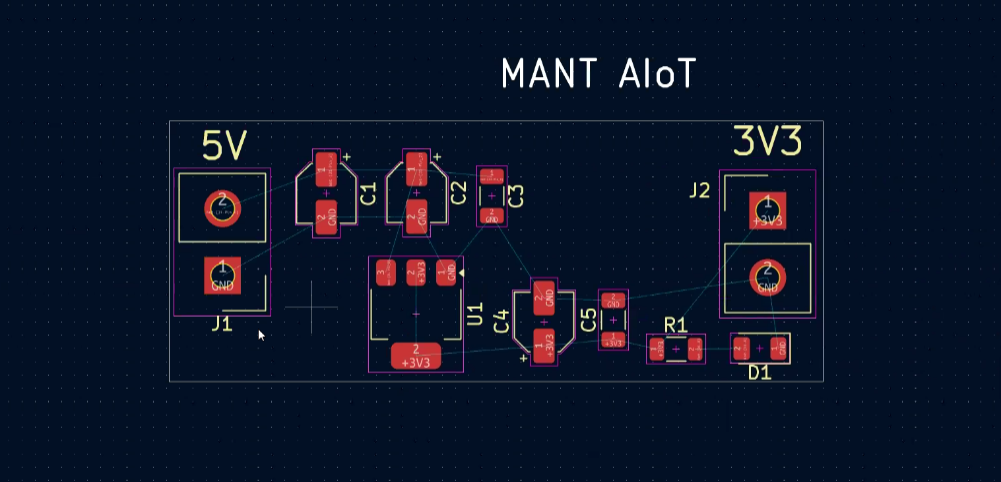
A hands-on workshop introducing the practical use of KiCad for designing electronic schematics and PCB layouts.
Defining the projects and groups
A session where lecturers present thematic projects, explain requirements and define timelines and expectations for successful completion.
The second week featured a diverse set of practical topics, each presented by experienced instructors:
The AIoT in Medicine session, led by Prof. Dr. Radovan Stojanović, Jovan Đurković, Dubravka Šćekić, Azra Rastoder and Stanka Mišeljić, opened the second week with inspiring real-world demonstrations. The session showcased ECG artifact detection using Edge AI, fall detection systems, stress monitoring and HealthTalk solutions for real-time health insights — setting the tone for a week focused on impactful, human-centered AIoT applications.


The AIoT-Based Drone Systems session, led by Prof. Dr. Marko Simeunović, focused on camera-based drone systems for object and human recognition, as well as intelligent behavior and decision-making based on visual data. The session demonstrated how AI models can process visual information in real time, enabling drones to react autonomously to their environment and support applications in monitoring, safety and smart systems.
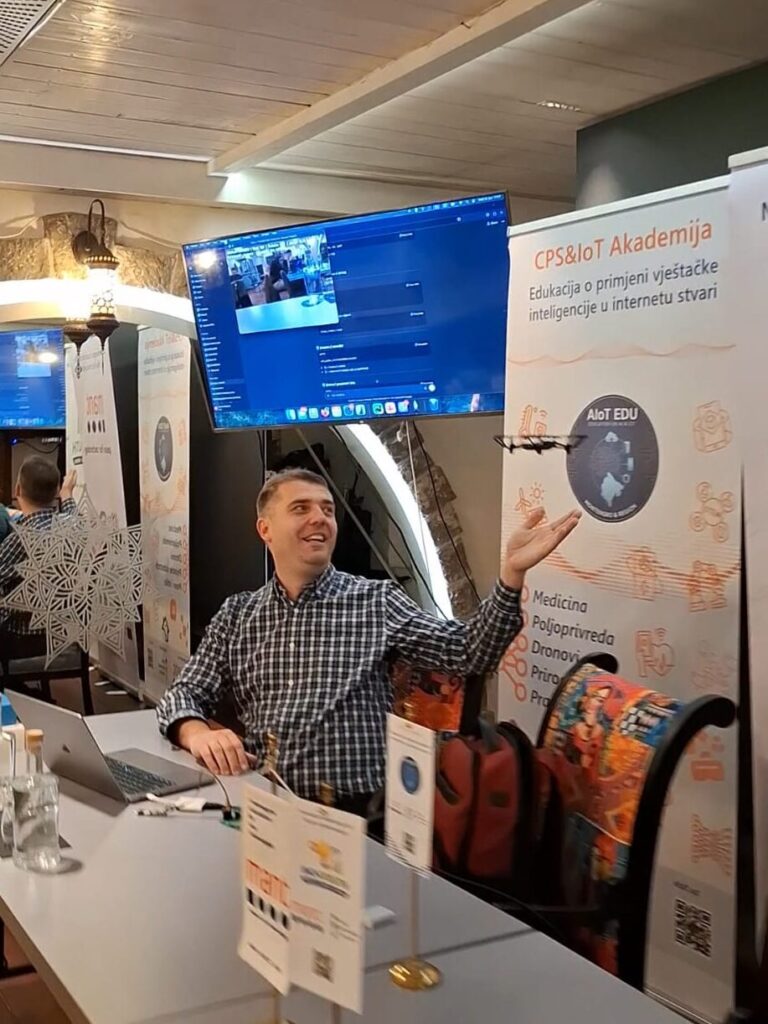
The Disaster Prediction & Smart City Applications session, led by Duško Petrović and Bojan Marašević from Digit Montenegro, focused on LoRa-based communication for large-scale sensing and data transmission, demonstrating AIoT systems for predicting natural and man-made disasters and enabling intelligent smart city solutions.
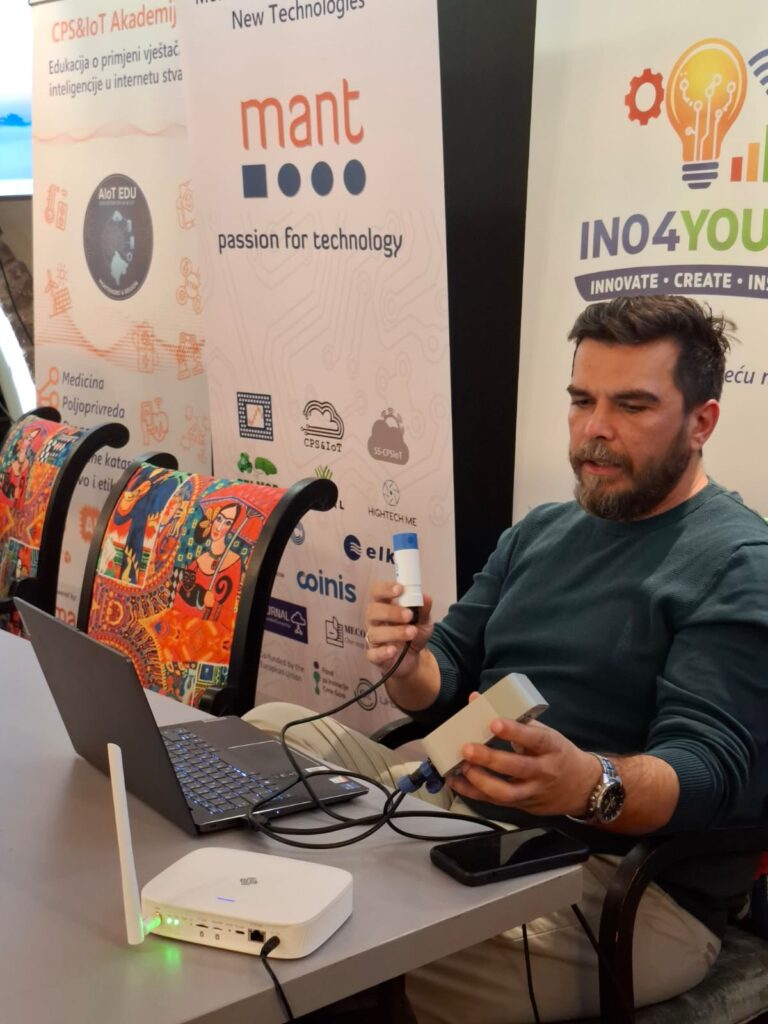
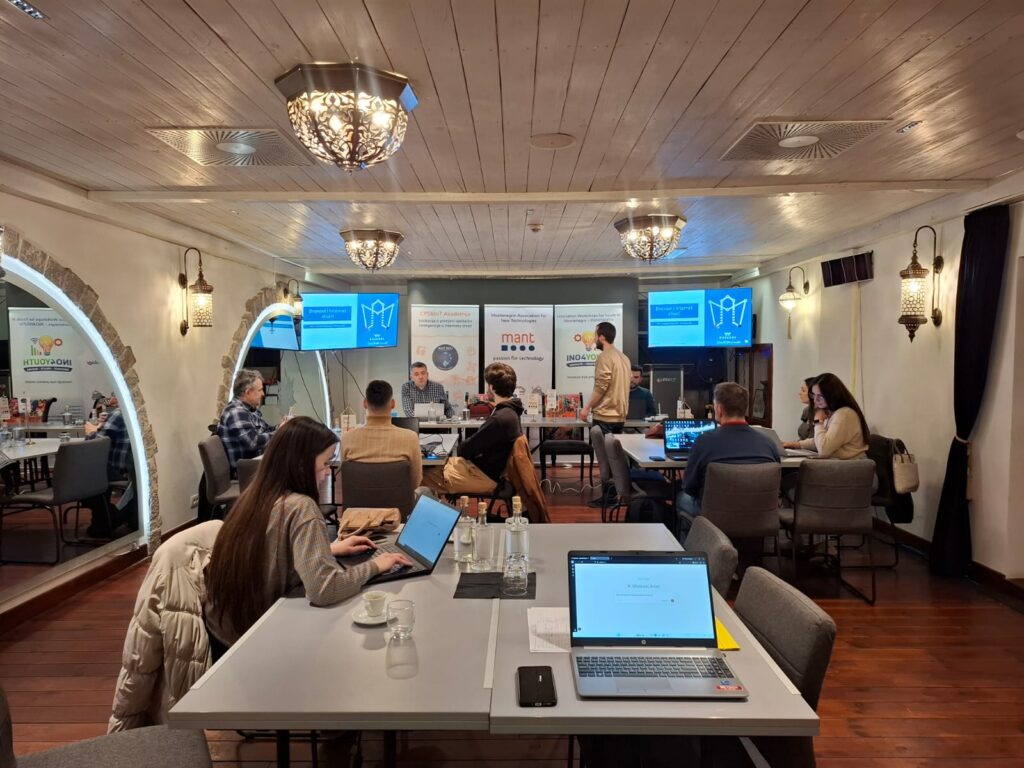
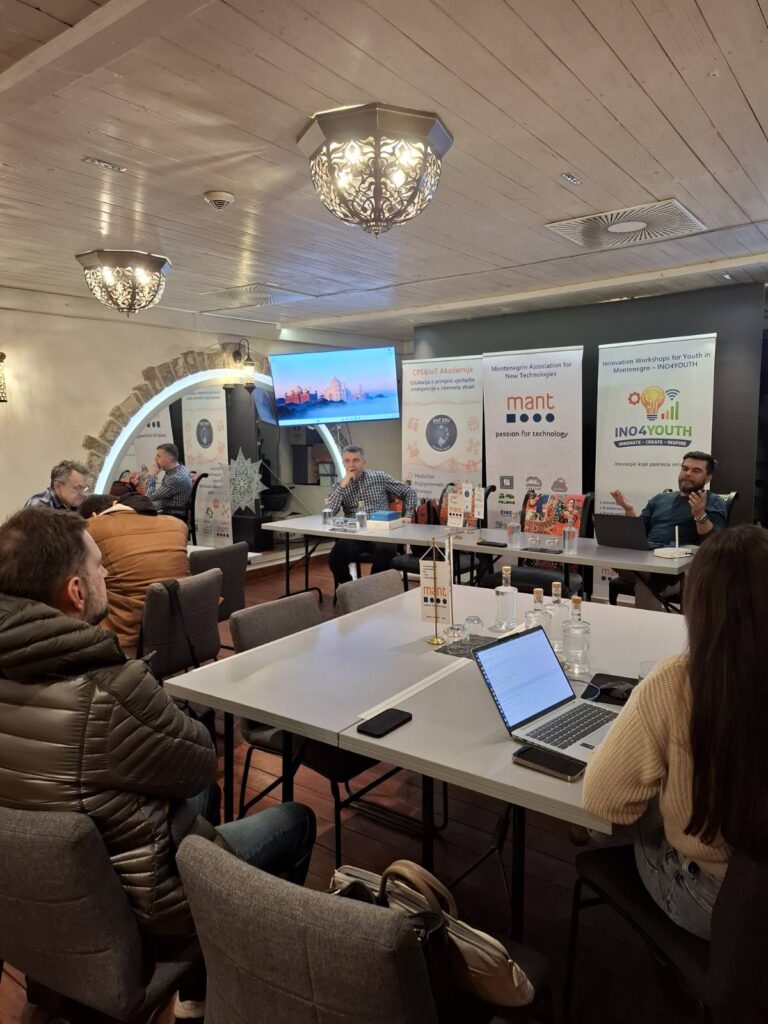
The KiCad Hardware Design Workshop, led by Prof. Dr. Dejan Jokić and Duško Petrović, marked the conclusion of the second week and served as a key preparation for the upcoming project phase. Participants were introduced to the basics of schematic design and PCB layout using KiCad, gaining insight into the complete hardware development workflow for embedded systems.
With the second practical week now successfully completed, the AIoT EDU Academy moves into its most exciting phase — team-based project development, where participants will begin designing and implementing their own real AIoT solutions inspired by the systems presented during the training.
The completion of this week confirms the Academy’s mission to connect technology, innovation and real-world applications through a dynamic, interdisciplinary learning environment.
More information:
🔗 Watch the Week 2 highlights video: VideoRecapWeek#2
🔗 Learn more about the program: https://mant.me/aiot-edu/
🤝 Join our LinkedIn group: https://www.linkedin.com/groups/14524509/
🤝 Co-financed by the Innovation Fund of Montenegro